- Sleep disorders: what are the problems and why they need to be addressed
- The main causes of sleep disorders: why you can’t sleep
- Symptoms of sleep disorders: the main problems that reduce sleep quality
- Diagnosing sleep disorders: what is the problem and how to deal with it
- How to treat sleep disorders: the path to a comfortable sleep
- Advice to regain a good night’s sleep: getting over sleep disorders
- Summary: Facing sleep disorders and restoring a comfortable sleep
Sleep disorders: what are the problems and why they need to be addressed
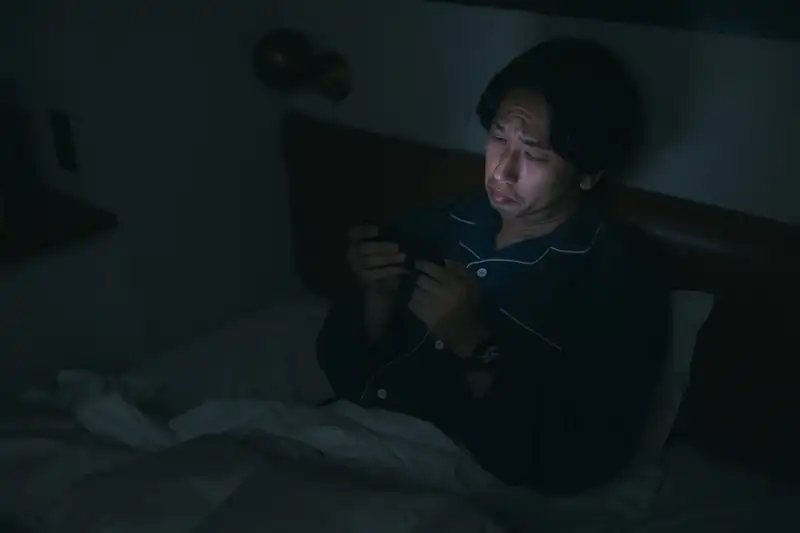
Sleep is essential for our health and well-being, but do you ever feel that you don’t get a good night’s sleep? In such a case, there may be a “sleep disorder” lurking in the background. Sleep disorders affect the quality and quantity of sleep, and cause problems such as loss of energy and lack of concentration in daily life.
In this article, we will delve into the main causes and remedies for sleep disorders, as well as how to get back a good night’s sleep. Sleep disorders are a very broad topic, and there are many different factors and types. However, understanding the basics will help you improve the quality of your sleep and make your days more comfortable.
The effects of sleep disorders are serious and can harm mental and physical health if ignored for a long time. However, with proper knowledge and coping strategies, it is possible to improve sleep disorders and regain peace of mind again.
Step into the world of sleep disorders and take the first step to regaining a good night’s sleep.
The main causes of sleep disorders: why you can’t sleep
Despite the fact that sleep is a natural process, various factors can interfere with our sleep. Here are some common causes of sleep disorders:
- Stress and anxiety:
- The stresses and unresolved problems of everyday life can disturb the mind and disturb sleep. Thinking about your worries, especially before going to bed, can make it difficult to fall asleep.
- Lifestyle disturbances:
- Irregular rhythms, unhealthy eating habits, and lack of exercise can reduce sleep quality.
- Environmental factors:
- Environmental conditions such as noise, brightness, and bedroom temperature can make it difficult to get a good night’s sleep.
- Disturbance of the biological clock:
- Shift work, jet lag, and irregular sleep schedules can disrupt your biological clock and cause sleep problems.
- Medical conditions and side effects of medications:
- Some medical conditions and side effects of medications can also contribute to sleep problems. This includes breathing problems, chronic pain, or certain medications.
Understanding these causes can help you find ways to deal with sleep disorders and improve your night’s rest. In the next section, we’ll discuss the specific symptoms of sleep disorders, explore what makes them different from normal insomnia, and how to deal with them.
Symptoms of sleep disorders: the main problems that reduce sleep quality
Sleep disturbances cause various symptoms that interfere with nighttime rest. Here we briefly describe the main symptoms of sleep disorders.
- Difficulty falling asleep:
- Not being able to fall asleep quickly at night or for hours. Sometimes it is difficult to fall asleep due to a lack of rest of the mind or restlessness of the body.
- Waking up in the middle of the night:
- Waking up late at night or early in the morning and having difficulty falling asleep again. This makes it difficult to get continuous rest.
- Early morning awakening:
- Waking up early in the morning and then unable to sleep again.
- Poor sleep quality:
- Poor sleep quality and feeling tired when you wake up. In addition, fatigue remains during the day and there may be a lack of energy.
These symptoms can result in poor performance and lack of comfort in daily life, which can negatively affect mental and physical health in the long run. However, with proper diagnosis, these symptoms are treatable. The following sections describe common ways to diagnose sleep disorders. This will help you identify the type of sleep disorder and its cause, and find the right treatment.
Diagnosing sleep disorders: what is the problem and how to deal with it
Sleep disorders can be on the path of treatment only after receiving an appropriate diagnosis. Below we present the general process of diagnosing sleep disorders.
- Diagnosis of a specialist:
- If sleep problems persist, it is important to consult a somnologist. Your doctor may ask you questions about your sleep habits, lifestyle, and medical history, and recommend further tests if necessary.
- Creating a sleep diary:
- A sleep diary helps you track your daily sleep patterns and record the quality and quantity of your sleep. This will help the doctor identify the type and possible causes of sleep disorders.
- Sleep test (polysomnography):
- Performed in a sleep center, the test measures respiration, heart rate, brain waves and eye movements during sleep to assess sleep quality and the type of sleep disorder.
The diagnostic process is the basis for clarifying the causes of sleep disorders and suggesting appropriate treatment. By getting a diagnosis, you can gain a deeper understanding of your sleep problems and clear guidance on how to deal with them. In the next section, we will provide you with ways to regain a good night’s sleep by exploring more about the treatment of sleep disorders.
How to treat sleep disorders: the path to a comfortable sleep
Treatments for improving sleep disorders are wide-ranging. Here are three main approaches: lifestyle improvement, sleep environment optimization, and medical treatment.
- Lifestyle improvement:
- Relaxation techniques: Techniques to reduce stress and calm the mind, such as meditation, deep breathing, and yoga.
- Exercise: Exercise keeps the body healthy, reduces stress, and improves sleep quality. However, it is important to avoid strenuous exercise in the hours before going to bed and set aside time to relax.
- Restricted caffeine and alcohol intake: These substances can interfere with sleep and can make it difficult to fall asleep, especially if consumed before going to bed.
- Improved sleeping environment:
- Comfortable bedding: Choose a comfortable mattress or pillow to help you sleep well.
- Proper temperature and light: Ideally, the bedroom should be cool, dark, and quiet. This will make it easier to relax.
- Medical treatment:
- Medication: You may use medications to help you sleep as directed by your doctor. However, these drugs are addictive and cannot be called a long-term solution.
- Cognitive Behavioral Therapy for Insomnia (CBT-I): This is a psychological approach to treating sleep disorders, which aims to change bad sleep habits and thought patterns.
Treatment for sleep disorders varies from individual to individual, and it may take time and effort to find out what works. However, if you find the right treatment, you can get a good night’s sleep and improve your daily life. In the next section, we will give you practical advice to help you get back a good night’s sleep.
Advice to regain a good night’s sleep: getting over sleep disorders
To cope with sleep disorders and get better sleep, it is helpful to review some aspects of your daily life. Below we will give you some specific advice to help you get back a good night’s sleep.
- Set a regular sleep schedule:
- Going to bed at the same time every day resets your biological clock and promotes a natural sleep rhythm.
- Screen Time limits at night:
- Smartphone and computer screens emit blue light that interferes with sleep. It is recommended to avoid the device for 1-2 hours before going to bed and opt for relaxing activities.
- Relaxation and meditation practices:
- Relaxing activities such as meditation, deep breathing, and a warm bath can help you get a good night’s sleep.
These tips will help you improve your sleep disorders and regain a good night’s sleep through some simple lifestyle changes. However, if you continue to have sleep problems or if the symptoms of sleep disorders are severe, it is important to consult a specialist.
Summary: Facing sleep disorders and restoring a comfortable sleep
Sleep disorders are an important problem that affects our daily lives and health. In this article, we have discussed the basic causes and symptoms of sleep disorders, diagnosis and treatment, as well as practical advice to regain a good night’s sleep. With the right knowledge and coping strategies, it is possible to improve sleep disorders and restore the days when you can sleep with peace of mind again. As a first step to improving the quality of your sleep and enriching your day, try these methods today.